

Logo

Diagnostics test

Nigeria’s leading Precision Diagnostics laboratory.

ABOUT ONCOLOGIST TEST

Hereditary Cancer Risk & Tumour Profiling

Cancer rarely arrives without a genetic story. An oncology DNA test reads that story, to reveal an inherited risk to enable you act early, or to map the specific mutations driving a diagnosed tumour so your doctors can target it precisely with the right treatment modalities. Knowledge, in cancer, is time. And time is everything.

Woman holding a pink breast cancer awareness ribbon
KNOW YOUR ONCOLOGY TEST

Two Different Reasons to Take an Oncology Genetic Test

Oncology genetic testing either reveals an inherited cancer risk so you can act early, or maps the mutations driving a diagnosed tumour so your doctors can target treatment with precision. Knowledge, in cancer, is time — and time is everything.

Hereditary (Germline) Cancer-Risk Testing

If cancer runs in your family, germline testing can reveal whether you inherited a gene change that raises your lifetime risk. That knowledge helps you and your doctor plan earlier screening, prevention, and care for relatives who may share the same risk.
Somatic Tumour Profiling

For patients already diagnosed. If you or a loved one has a confirmed cancer, profiling the tumour's own DNA can identify the specific mutations driving it. This helps your oncologist choose the right therapies matched to your cancer and can reveal eligibility for targeted treatments and clinical trials.

This test can help you:

  • Learn whether you carry an inherited gene change linked to common cancers
  • Plan earlier, smarter screening with your doctor if your risk is high
  • Give a diagnosed patient's oncologist a precise molecular map of the tumour
  • Identify mutations that may respond to targeted therapies
  • Replace uncertainty with a clear, evidence-based plan

A genetic result is not a diagnosis or a sentence. Carrying a risk gene does not mean you will develop cancer, and not carrying one does not mean you never will. Every result should be interpreted with a doctor or genetic counsellor. Our in-house genetic counsellor can provide genetic counselling to help you better understand your results.

OUR TESTS

How Oncology Testing Works

From risk assessment to results review, our team guides you through a clear, clinically supported process.

Book a Test
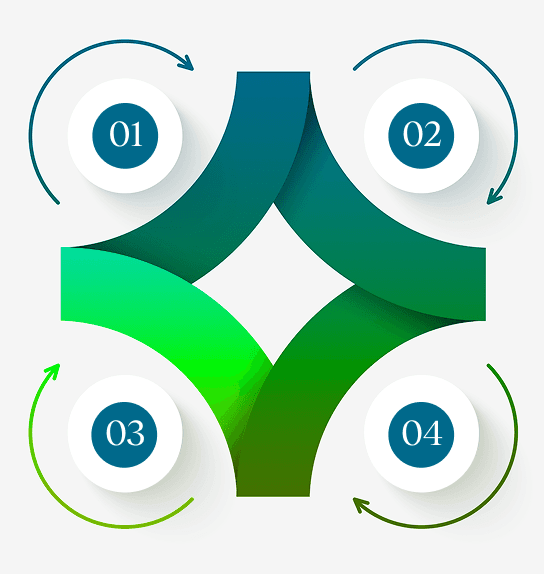
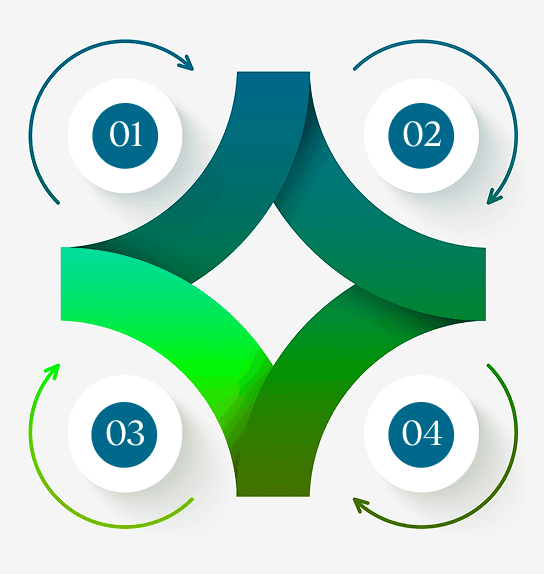
Four-step oncology genetic testing process
  1. 01

    Book Your Test & Consultation

    Speak with our team to review your medical and family history and confirm the most suitable oncology panel.

  2. 02

    Prepare Your Sample

    Provide a blood, buccal swab, or tumour tissue sample based on the test your clinician recommends.

  3. 03

    Expert Laboratory Analysis

    Your sample is analysed in an accredited laboratory using validated oncology genetic testing methods.

  4. 04

    Get Your Results & Guidance

    Receive a clear report and guidance on what the findings mean for you, your family, and your care plan.

In aNutshell

Who is it for:
Individuals with a family history of cancer, or patients with diagnosed tumours needing profiling for treatment decisions.
Turnaround Time:
Results are typically ready within 15 – 21 working days.
Sample Requirement:
Blood, buccal swab, or tumour tissue depending on the panel ordered.

Advanced Panels for Every Need

Our oncology offering covers hereditary risk panels and somatic tumour profiling so patients and clinicians can choose the right level of investigation for each situation.

If you are unsure which panel is right for you, our specialists can help you decide based on your history, diagnosis, and clinical goals.

Laboratory scientist examining samples under a microscope